Blog
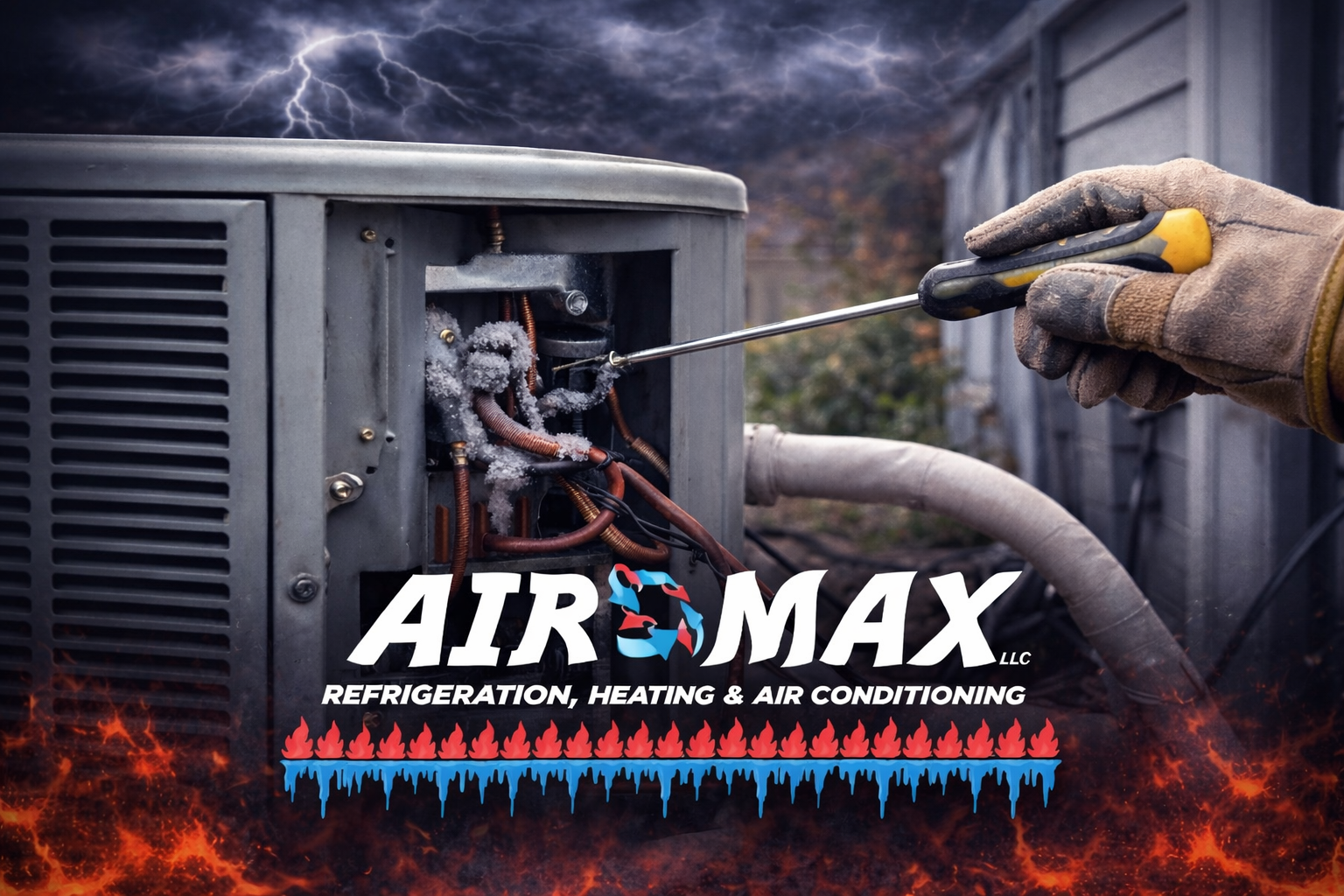
Most homeowners in St. Cloud don’t think twice about small HVAC issues. A strange noise, weak airflow, or a system that takes a little longer to cool the house might seem like minor inconveniences. But the truth is simple: Small HVAC problems rarely stay small. If left untreated, these issues can lead to expensive repairs, system breakdowns, and even full replacements.
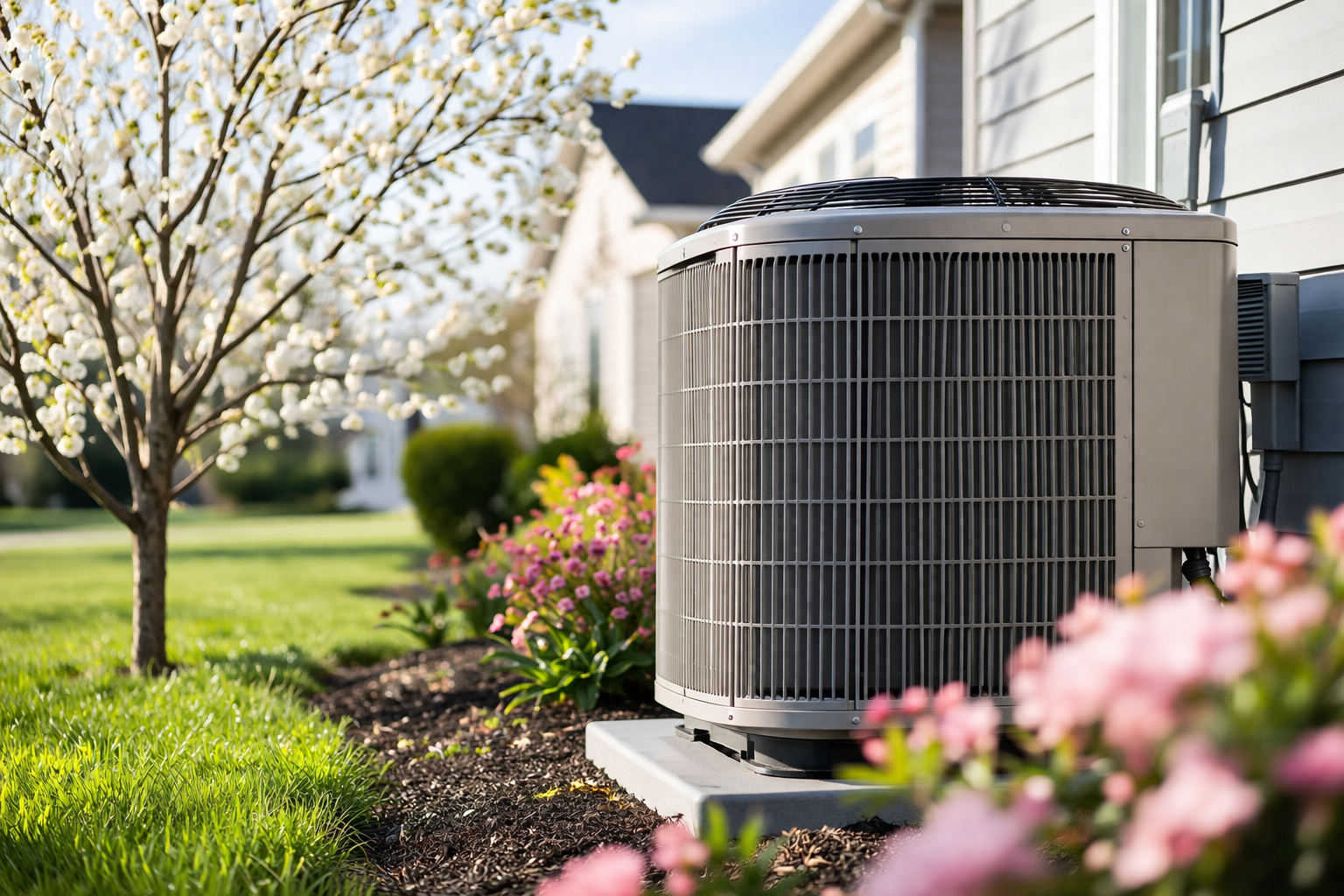
Discover why spring is the best time for HVAC maintenance in St. Cloud and keep your system running efficiently before summer heat hits. Call Air Max today!
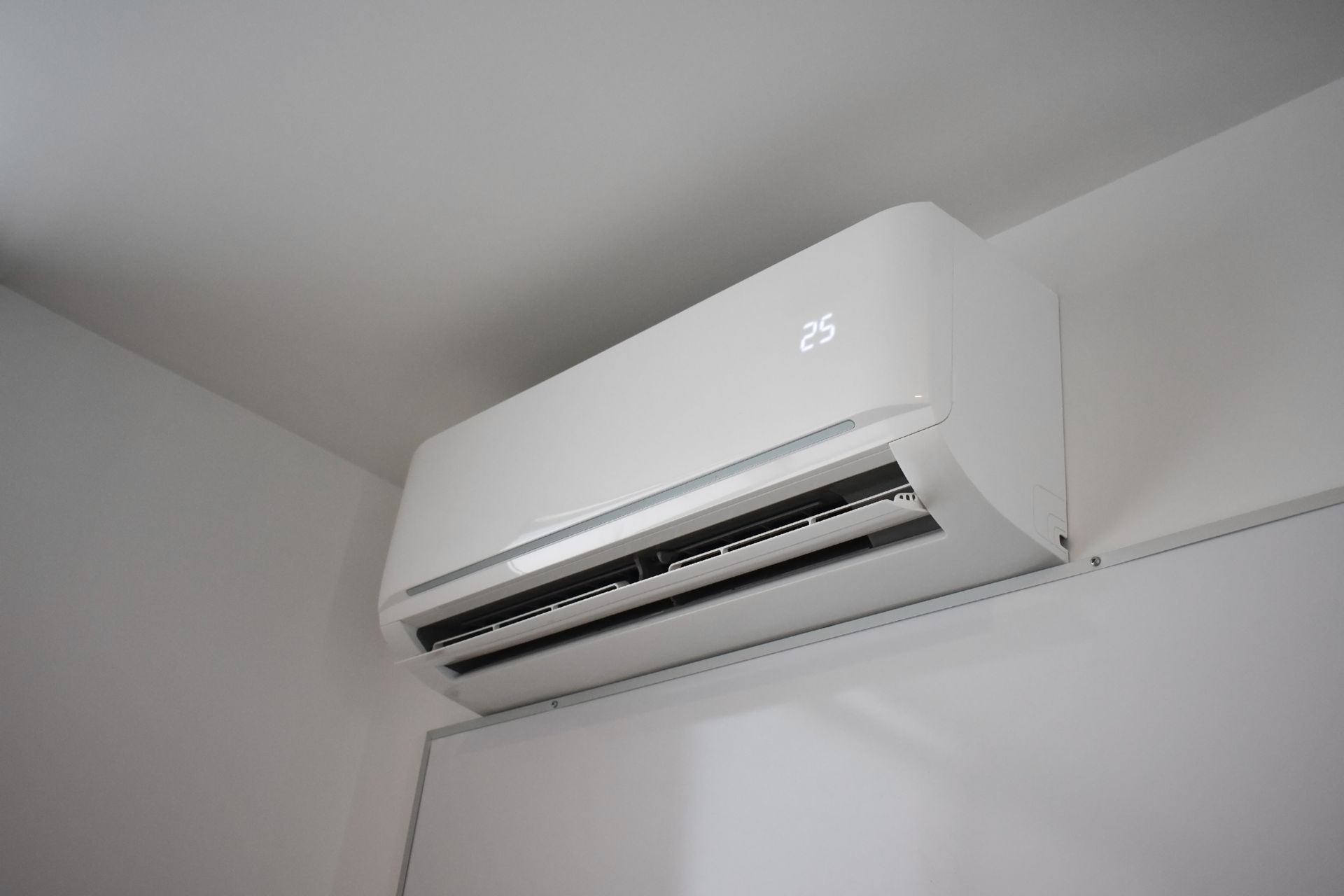
Why St. Cloud homeowners choose ductless AC for targeted cooling, better comfort, and lower energy use in homes with uneven temperatures or no ductwork.
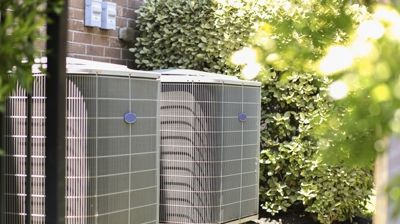
Is your air conditioning system making weird noises in St. Cloud? Learn what each sound means and when to call Air Max for fast, trusted AC repair.
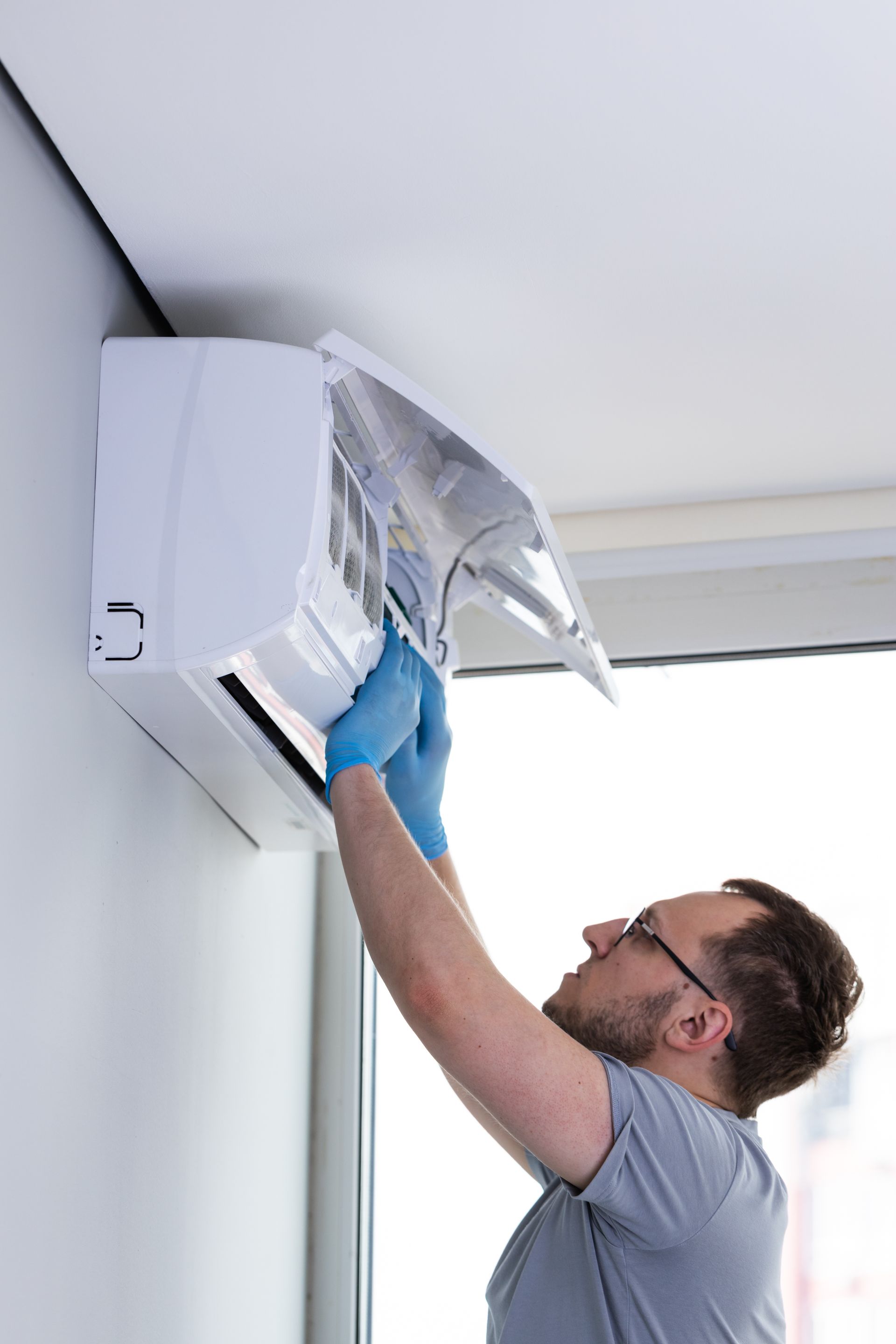
Learn the benefits of installing a ductless HVAC system in your St. Cloud home. Improve comfort, efficiency, and indoor air quality. Call Air Max today!
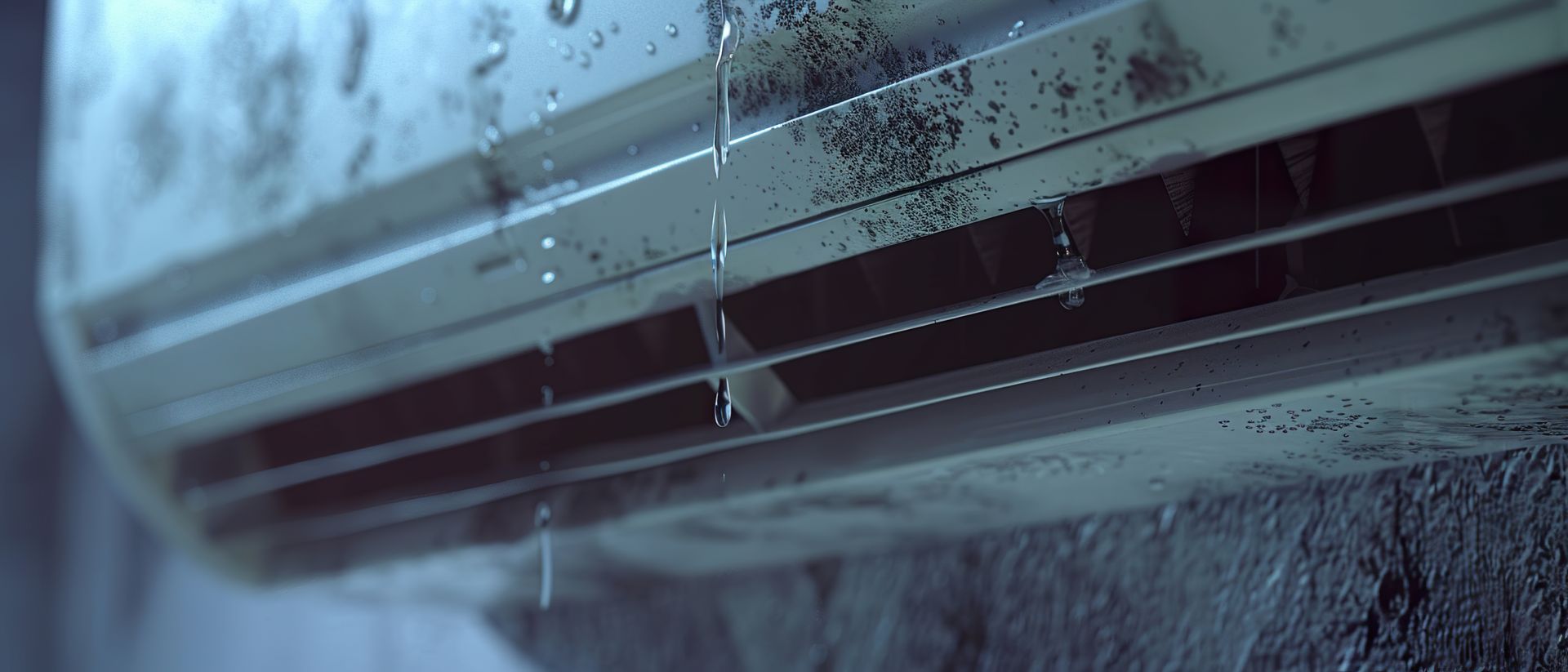
AC smells musty? Mold, mildew, or moisture buildup may be the cause. Call Air Max for fast, professional AC repair and service in St. Cloud.
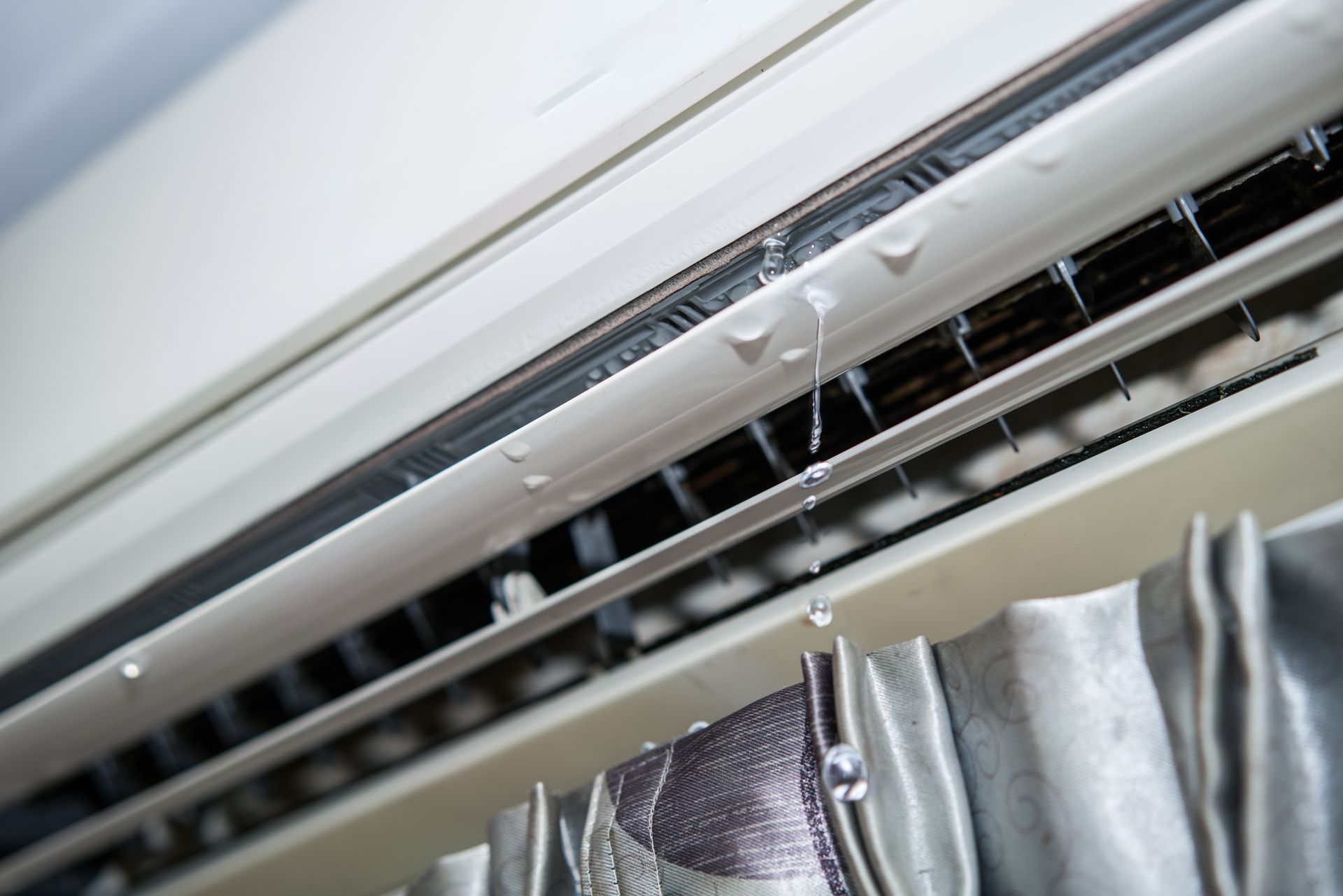
Is your AC leaking in St Cloud? Learn common causes and get fast, reliable repairs from Air Max Refrigerating, Heating & Air Conditioning. Call today.
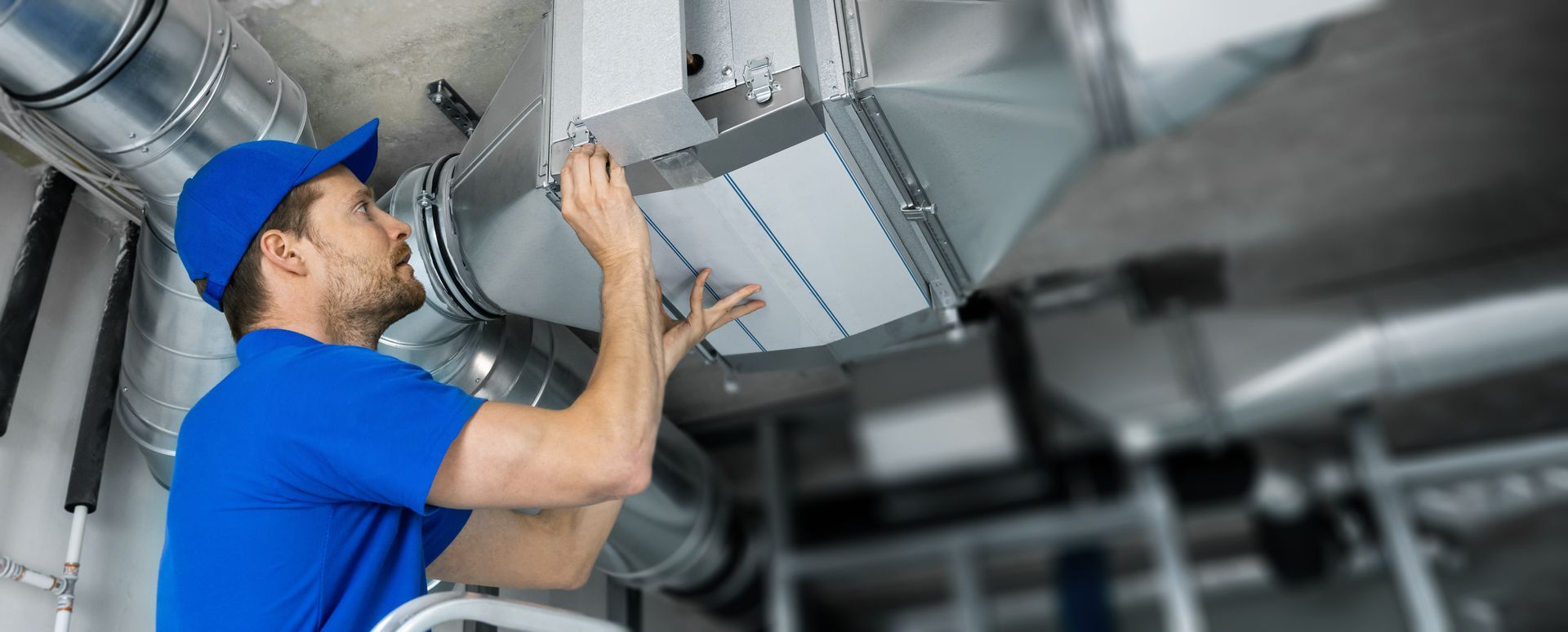
Is your HVAC not blowing hot air in St. Cloud? Learn the most common causes, warning signs, and when to call Air Max for expert heating repair.

Furnace keeps running during winter in St. Cloud? It could mean airflow issues, heat loss, or system strain. Here's what’s normal & how to fix it fast.
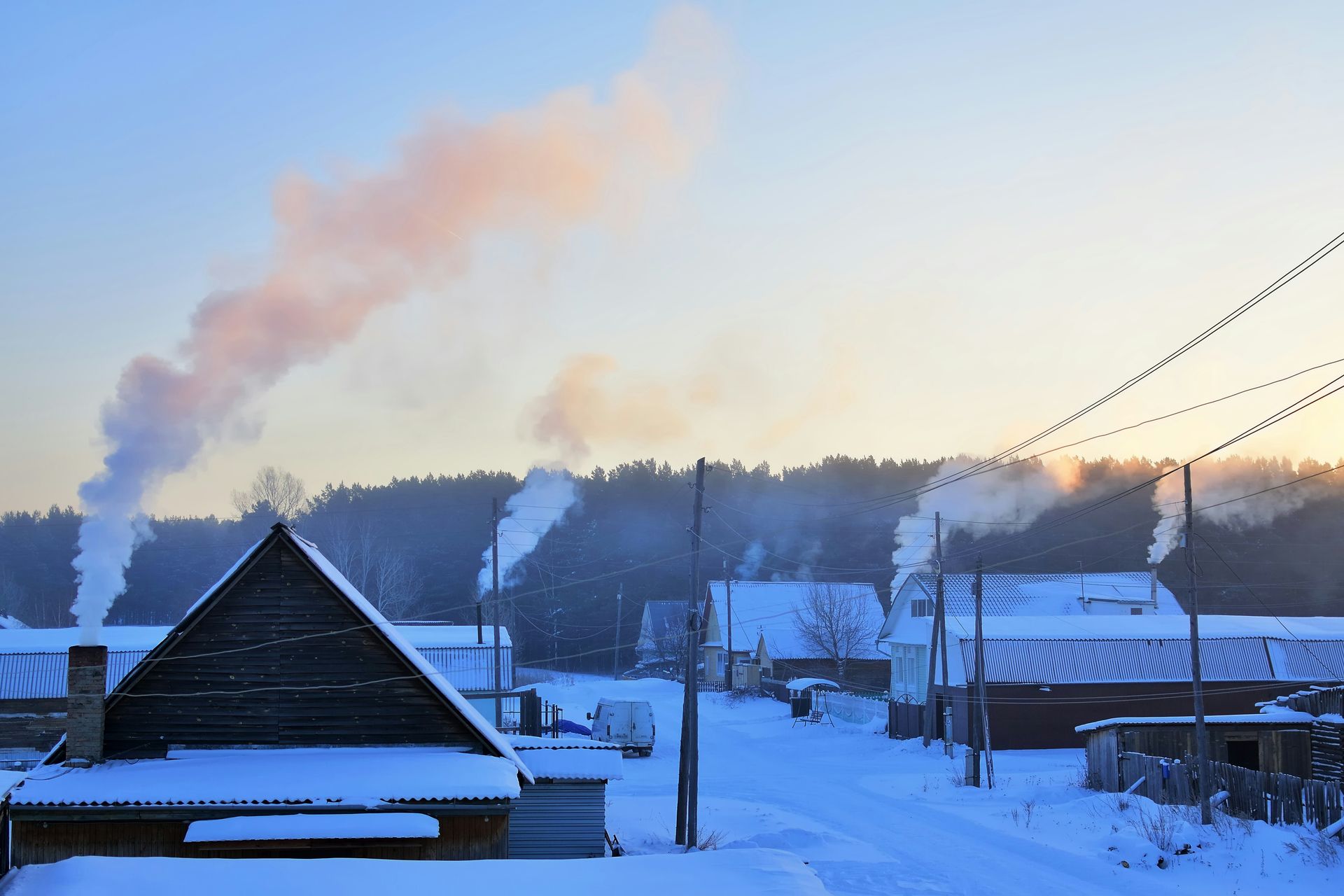
Why Your Furnace Keeps Turning On and Off (Short Cycling) in Winter If your furnace turns on, runs for only a few minutes, shuts off, and then starts again shortly after, that’s not normal—and it’s not efficient. This problem is called short cycling , and it’s one of the most common heating issues homeowners experience during cold Minnesota weather. Short cycling can make your home feel less comfortable, increase energy bills, and put extra wear and tear on your furnace. In some cases, it can even lead to a complete breakdown during the time you need heat the most. In this guide, Air Max explains what furnace short cycling is, why it happens, and when it’s time to call a professional. What Is Furnace Short Cycling? A healthy furnace cycle typically runs long enough to heat your home evenly before shutting off. Short cycling happens when the furnace shuts down before completing a full heating cycle—then restarts again soon after. Instead of delivering steady, consistent comfort, short cycling often causes: Uneven temperatures throughout the home Frequent thermostat adjustments Extra strain on furnace components Higher heating costs Common Causes of Furnace Short Cycling 1) Dirty Furnace Filter One of the most common causes of short cycling is a clogged air filter. When airflow is restricted, the furnace can overheat and shut down as a safety measure. What you can do: Replace your furnace filter Make sure return vents aren’t blocked Confirm supply vents are open If your filter gets dirty quickly, it may be a sign of airflow imbalance or indoor air quality issues. 2) Thermostat Problems A malfunctioning thermostat (or one installed in the wrong spot) can cause your furnace to cycle too frequently. Thermostat issues may include: Incorrect temperature readings Loose wiring Poor placement near drafts, windows, or heat sources A simple thermostat adjustment or upgrade can sometimes solve the issue. 3) Overheating Furnace If internal components overheat, your furnace may shut off early to protect itself. This can happen due to: Airflow restrictions Dirty burners Blower motor issues Heat exchanger problems Overheating should be taken seriously because it can lead to more costly repairs if ignored. 4) Improper Furnace Sizing A furnace that is too large for the home can heat the space too quickly, shut off, then restart repeatedly. While it may sound like “more power” is better, oversized systems often create: Temperature swings Noisy operation Less efficient heating Increased wear on parts Proper sizing is key for consistent comfort, especially during long winters. 5) Flame Sensor or Ignition Issues Your furnace relies on sensors to confirm safe operation. If a flame sensor is dirty or faulty, the furnace may shut down shortly after ignition. Common signs include: Furnace starts, then stops quickly Repeated attempts to restart Trouble staying lit This is a common repair and often inexpensive when caught early. Is Furnace Short Cycling an Emergency? Short cycling doesn’t always mean immediate danger—but it can quickly become serious if it’s caused by overheating, electrical issues, or a failing component. You should call for service if: Your furnace is cycling every few minutes Your home won’t stay warm You notice burning smells or unusual noises You see higher-than-usual heating bills The problem keeps getting worse The sooner you address it, the more likely it can be fixed with a simple adjustment or minor repair. How Air Max Fixes Furnace Short Cycling When Air Max inspects a short cycling furnace, we look at the full system—not just one part. This often includes checking: Furnace filter and airflow restrictions Thermostat operation and placement Safety sensors and ignition components Blower motor performance System sizing and ductwork balance Once the cause is identified, we recommend the most effective fix to restore reliable heat and protect your system. Stop Furnace Short Cycling with Help from Air Max If your furnace can’t stay running long enough to heat your home comfortably, don’t wait for a complete breakdown—especially during Minnesota winter weather. Air Max proudly serves homeowners throughout St. Cloud and Central Minnesota with furnace repair, maintenance, and heating performance solutions built for cold climates. Call (320) 441-7944 or use our online contact form to schedule service and keep your home warm, efficient, and reliable all winter long.

Why is one room colder in your St. Cloud home during the winter? Learn common causes of uneven heating and how HVAC solutions restore comfort.
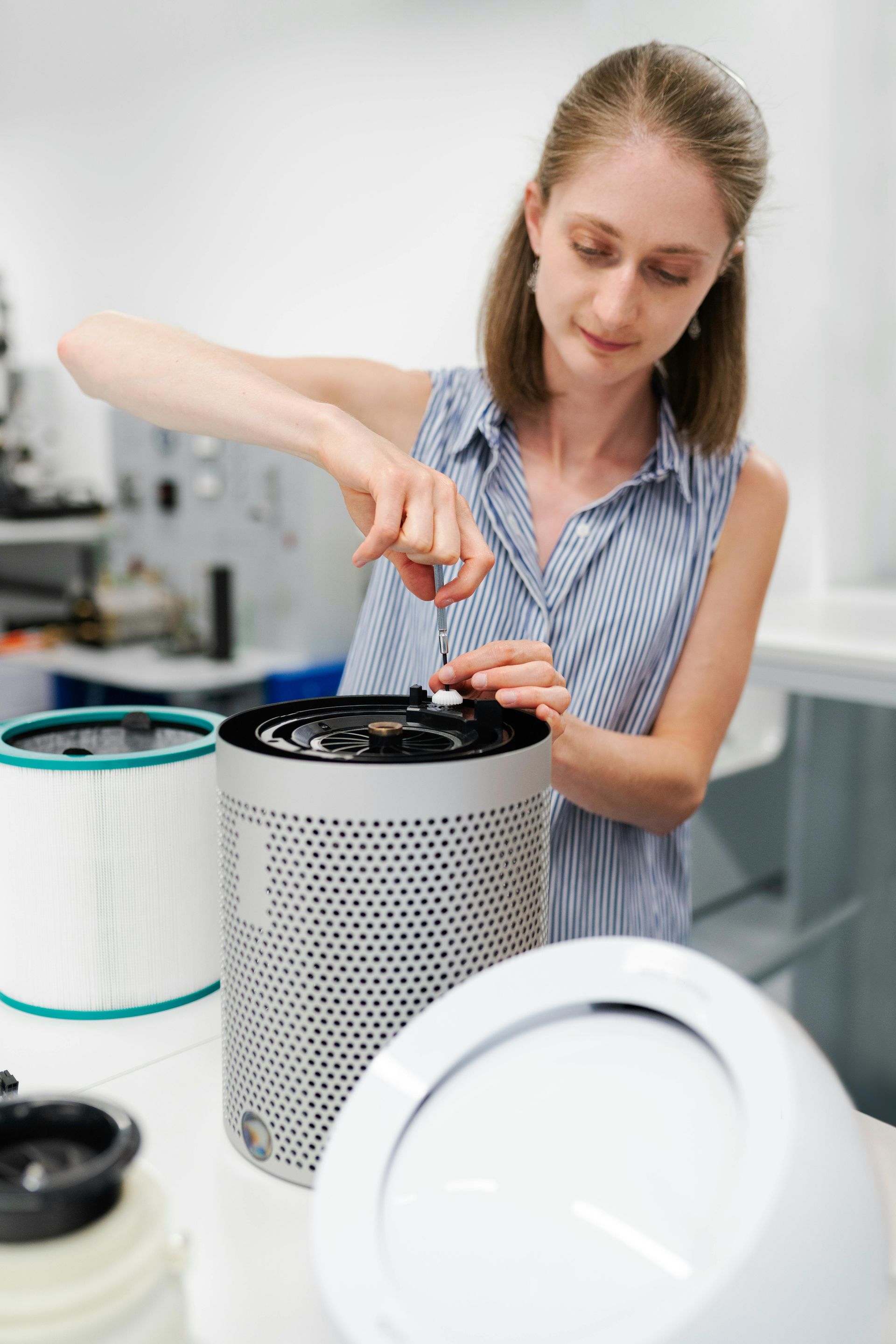
Dry indoor air is common in Minnesota winters. Air Max explains why it happens, ideal humidity levels, and how HVAC humidifiers improve comfort.
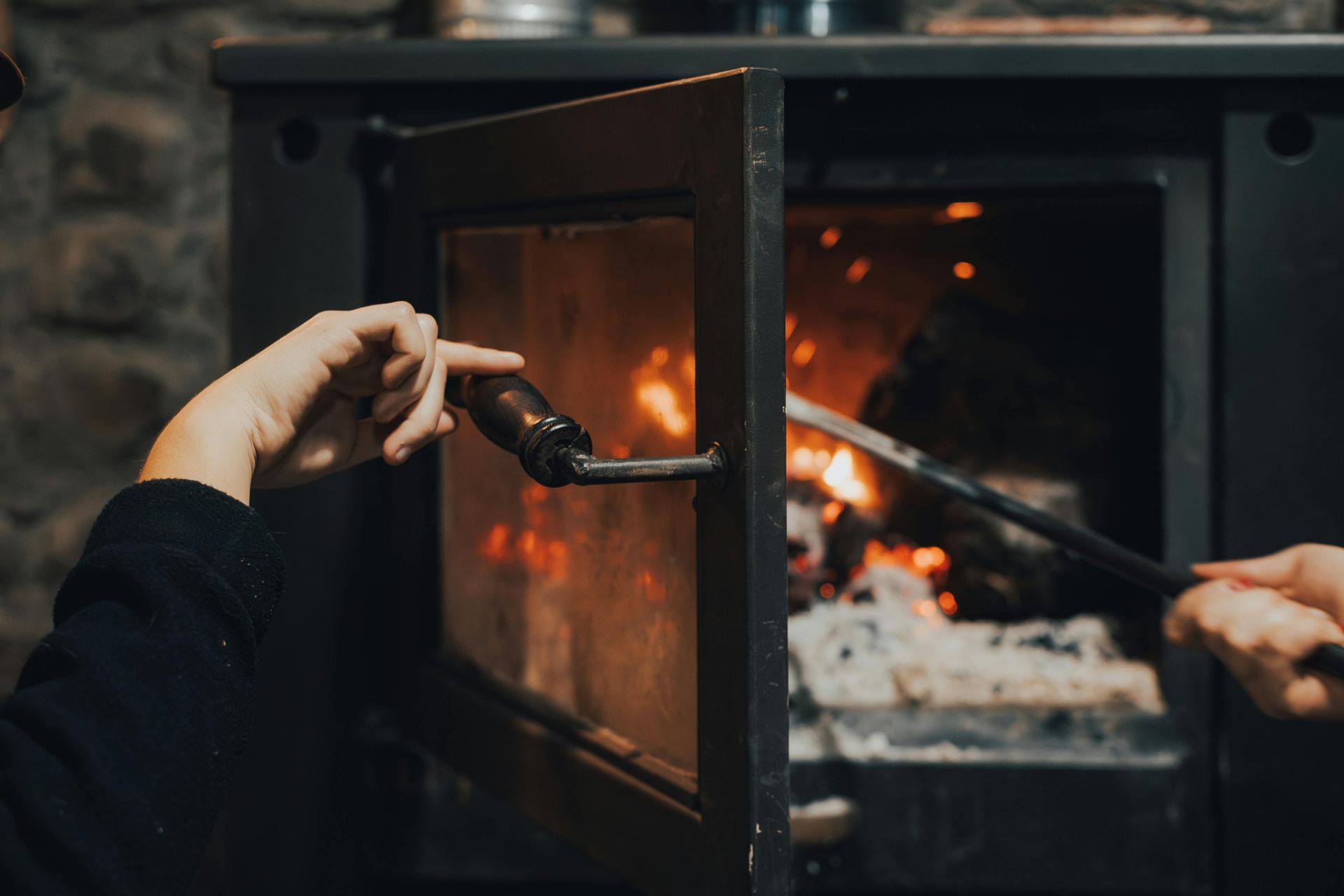
Learn whether cold-climate heat pumps or furnaces work best in Minnesota winters. Air Max LLC explains efficiency, reliability, and comfort for cold weather.

Learn how Minnesota homeowners can save with 2025 HVAC rebates, tax credits, and utility incentives. Discover eligibility, programs, and how to apply.
This blog post is brought to you by Air Max, a trusted Minnesota HVAC company specializing in energy-efficient furnace and air-conditioning installations.
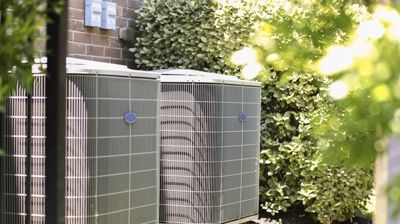
Choosing the best HVAC system for your home or business can feel overwhelming. Each type has its strengths and weaknesses, and understanding these can help you make an informed decision. Here’s a closer look at the pros and cons of some popular HVAC systems.
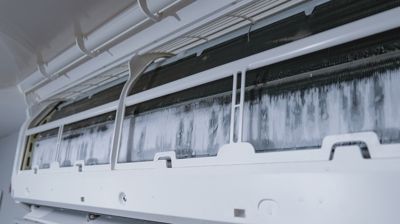
If you’ve noticed ice forming on your air conditioner, it’s a clear sign that something isn’t working properly. While it might seem harmless at first glance, ice buildup on your AC unit can lead to significant problems, including reduced efficiency, higher energy bills, and even total system failure. Ignoring this issu
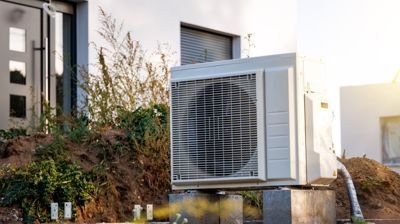
When it comes to heating and cooling your home, understanding your options is essential for making the right decision. Two common choices for maintaining indoor comfort are heat pumps and air conditioners. While these systems may seem similar at first glance, they function differently and offer distinct benefits depend
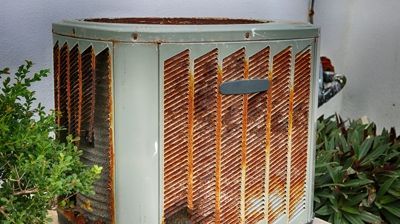
Your air conditioning unit plays a critical role in maintaining the comfort of your home, especially during the hot summer months. However, like all appliances, AC units have a limited lifespan. Knowing when it’s time to replace your AC unit can save you from costly repairs, rising energy bills, and uncomfortable break

As winter continues, the importance of a functioning heating system can't be overstated. A properly working heater ensures that you and your family stay warm and comfortable during the coldest months. However, even the most reliable systems can experience problems. Fortunately, many heating issues are relatively easy t
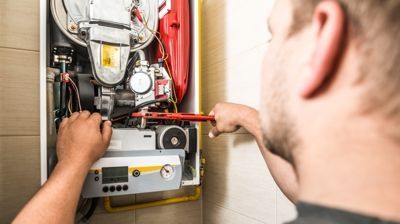
As temperatures drop, maintaining a comfortable and warm home becomes a priority. However, heating your home can significantly impact your utility bills, especially if your heating system isn’t running efficiently. One of the best ways to reduce energy consumption and lower costs is by improving the energy efficiency o

One of the most effective ways to maximize energy efficiency during the colder months is by sealing gaps and cracks in your home. Common areas where heat escapes include windows, doors, and attic spaces. Identifying these areas is crucial for maintaining a warm and energy-efficient home. For instance, you might notice
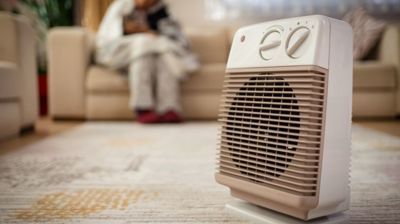
Electrical space heaters, while convenient, come with significant risks, particularly when it comes to overheating. These devices can easily overheat if left on for extended periods or if they malfunction. When a space heater overheats, it can ignite nearby objects or even the heater itself, leading to devastating fire
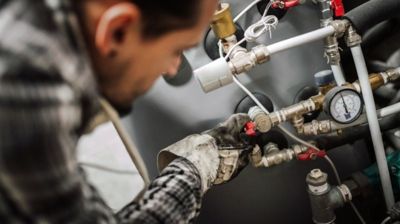
One of the simplest yet most effective ways to maintain your heating system is by regularly checking and replacing the air filters. Over time, air filters can become clogged with dust, dirt, and other debris, which can significantly impede airflow and reduce the efficiency of your heating system. A dirty filter forces

Dust mites are tiny, microscopic creatures that thrive in household dust, feeding on dead skin cells shed by humans and pets. These minuscule insects are a common indoor allergen, especially during the fall when homes are often closed up to keep out the cold. Dust mites can be found in bedding, upholstered furniture,

When the summer heat waves hit, the last thing you want is to be sweating over high energy bills. Enter the smart thermostat—a modern solution to maintaining your cool without breaking the bank. Smart thermostats go beyond basic temperature adjustments; they learn your schedule and preferences, making automatic tweaks

Relative humidity is a term that often pops up in weather forecasts, but it's just as crucial within the walls of our homes. It measures the amount of water vapor present in the air compared to the maximum amount the air can hold at a given temperature. This percentage is vital because it affects not just our comfort b